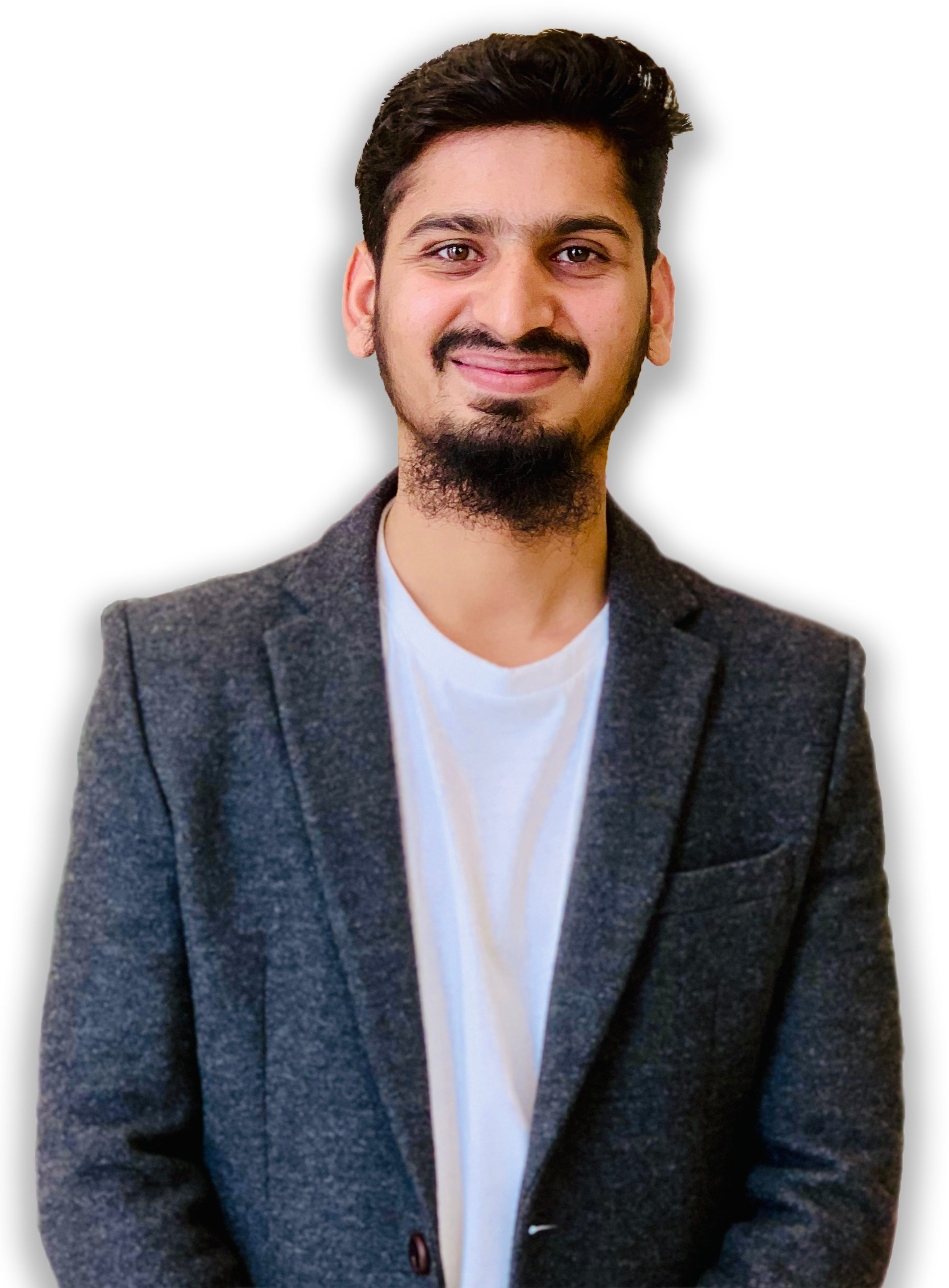
I'm a creative AR/VR app developer in Unity3D, and I'm very passionate and dedicated to my work.
Hello, I'm
Fareed Tahir
A Senior Software Engineer




Crafting visually appealing and user-friendly interfaces, ensuring intuitive navigation and optimal user experience.

Implementing functionalities and features according to design specifications, utilizing coding languages and development frameworks.

Rigorous testing to identify and resolve bugs or issues, followed by deploying the finalized application to the target platform for user access.
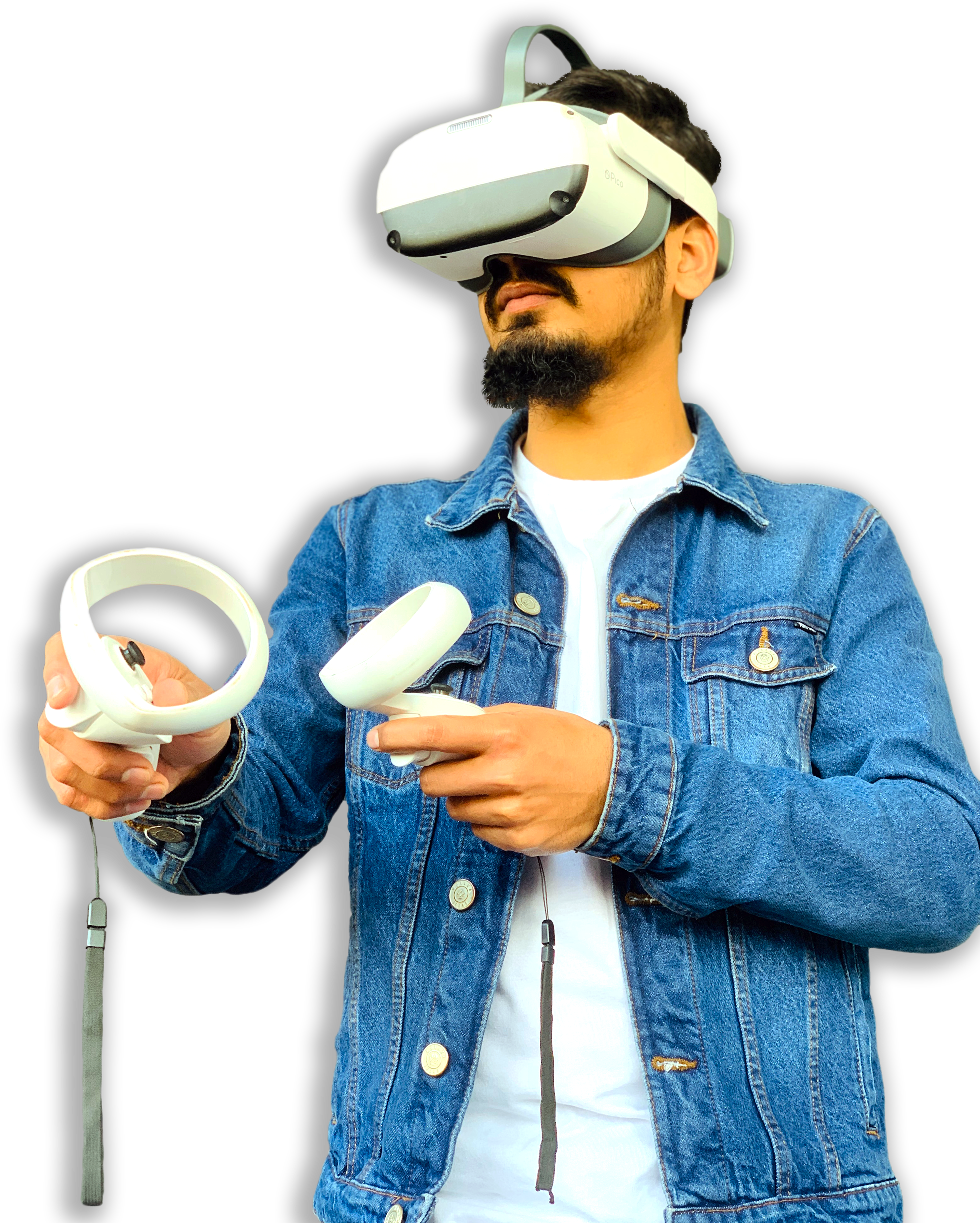
Hello there! I'm a proficient AR/VR developer with 5+ years of experience. My expertise lies in Marker-based and Markerless Augmented Reality, as well as Maps and Location-based AR applications for both Android (AR Core) and iOS (ARKit) platforms. Throughout my career, I have successfully developed numerous applications that showcase innovative solutions in this dynamic field. My commitment to delivering high-quality services is evident through my consistent adherence to client requirements and specifications.
Here are brief snapshots showcasing some of the applications I've crafted, each designed to address specific user needs and enhance their digital experience.


Here is a selection of the software tools I use for development and design purposes.

Below are the specialized services I offer, tailored to meet specific needs and requirements.

I am an augmented reality (AR) and virtual reality (VR) specialist with expertise in crafting customized applications at all levels, from basic to advanced. I cater to a range of budget constraints to ensure accessibility and affordability.

Dizme is a leading web design agency with an award-winning design team that creates innovative, effective websites that capture your brand, improve your conversion rates, and maximize your revenue to help grow your business and achieve your goals.
In today’s digital world, your website is the first interaction consumers have with your business. That's why almost 95 percent of a user’s first impression relates to web design. It’s also why web design services can have an immense impact on your company’s bottom line.
That’s why more companies are not only reevaluating their website’s design but also partnering with Kura, the web design agency that’s driven more than $2.4 billion in revenue for its clients. With over 50 web design awards under our belt, we're confident we can design a custom website that drives sales for your unique business.

With expertise in API integration, including Firebase, AWS, and user authentication systems, I offer seamless integration for enhanced app functionality according to user requirements.

Dizme is a leading web design agency with an award-winning design team that creates innovative, effective websites that capture your brand, improve your conversion rates, and maximize your revenue to help grow your business and achieve your goals.
In today’s digital world, your website is the first interaction consumers have with your business. That's why almost 95 percent of a user’s first impression relates to web design. It’s also why web design services can have an immense impact on your company’s bottom line.
That’s why more companies are not only reevaluating their website’s design but also partnering with Kura, the web design agency that’s driven more than $2.4 billion in revenue for its clients. With over 50 web design awards under our belt, we're confident we can design a custom website that drives sales for your unique business.

I can build location-based AR experiences in Unity 3D, including map functionality. You can customize the app according to your needs and budget.

Dizme is a leading web design agency with an award-winning design team that creates innovative, effective websites that capture your brand, improve your conversion rates, and maximize your revenue to help grow your business and achieve your goals.
In today’s digital world, your website is the first interaction consumers have with your business. That's why almost 95 percent of a user’s first impression relates to web design. It’s also why web design services can have an immense impact on your company’s bottom line.
That’s why more companies are not only reevaluating their website’s design but also partnering with Kura, the web design agency that’s driven more than $2.4 billion in revenue for its clients. With over 50 web design awards under our belt, we're confident we can design a custom website that drives sales for your unique business.

Before making a game, it's crucial to plan its design well. This ensures it fits current trends and user range affordability.

Dizme is a leading web design agency with an award-winning design team that creates innovative, effective websites that capture your brand, improve your conversion rates, and maximize your revenue to help grow your business and achieve your goals.
In today’s digital world, your website is the first interaction consumers have with your business. That's why almost 95 percent of a user’s first impression relates to web design. It’s also why web design services can have an immense impact on your company’s bottom line.
That’s why more companies are not only reevaluating their website’s design but also partnering with Kura, the web design agency that’s driven more than $2.4 billion in revenue for its clients. With over 50 web design awards under our belt, we're confident we can design a custom website that drives sales for your unique business.

Client feedback is essential for my satisfaction and serves as a cornerstone for establishing trust with future clients. Here are the hard-earned testimonials I've gathered, reflecting my commitment to excellence.
From the day I hired Fareed he has shown exceptional qualities: he is polite, responds immediately to my questions and he is patient to any work changes I requests from my side, also the code organization and logic and how he connects things has impressed me. And problem solving skills how he divide and conquer the big problem to solve it has fascinated me. And he even pays attention to small details which normal freelancers don’t pay attention to which contributes to the user experience. FOR SURE I’m going to hire Fareed again!
Amazing Fiverr seller! Exceptional work, fast service, and excellent communication. Highly recommended to anyone who is looking for top-quality services.
Fareed Tahir provides excellent service. He is very patient and always willing to improve and please the client. He is very knowledgeable in augmented reality and helped with bringing my project to life. I highly recommend his service.
Please fill out the form on this section to contact with me.

Copyright 2024 fareedtahir131.com | All Rights Reserved.